
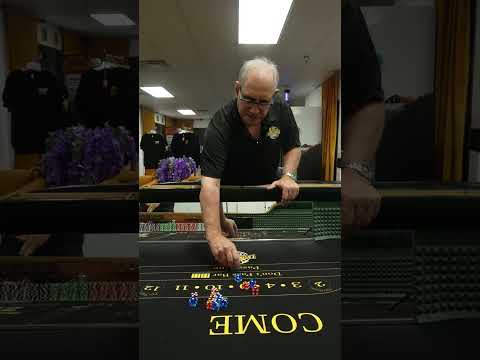
Stepping into the main hall at Betmac Casino, I immediately encounter a decision that defines the entire session: which table merits my bankroll. It is not merely about securing an available seat. I consider game variant, dealer pace, minimum wager, and the delicate rhythm of play before placing a single chip. The UK player base ranges from wary newcomers to experienced punters pursuing specific strategies, and the platform’s layout showcases that diversity. A structured table-selection process cuts through the noise and converts a haphazard gamble into a methodical, pleasurable outing.
Considering Bonus Compatibility and Wagering Contribution
Not any table welcomes my bonus balance with open arms, and I have learned to verify wagering contribution percentages before I presume a table is eligible. At Betmac Casino, a welcome offer or reload bonus usually includes terms that outline how large each game type counts toward the playthrough requirement. Slots nearly always contribute one hundred percent, but table games frequently sit at a reduced rate, sometimes as low as five or ten percent. If I take a seat at a blackjack table believing I am chipping away at a wagering target, I might be advancing at a snail’s pace.
I go through the bonus terms for excluded games as well. Certain high-return variants like single-deck blackjack or low-house-edge roulette tables are from time to time barred from bonus play entirely. Participating in an excluded table with an active bonus can nullify the offer and any associated winnings, a painful lesson I choose to learn from other people’s forum complaints rather than my own account history. I maintain a mental list of eligible tables before I activate a promotion.
Even when a table contributes fully, I figure out whether the strategy I intend to use matches the bonus structure. A sticky bonus that is non-withdrawable demands a distinct approach than a cashable one, and high-volatility side bets could assist me clear a tough rollover faster if the contribution rate makes it possible. I treat bonus compatibility as a filter that limits my table options, and I refuse let a shiny promotional headline steer me toward a table that does not actually fulfill my financial objective.
Selecting the Correct Seat Position at Live Tables
Seat position is important far more at a virtual live table than most players recognize, and I choose mine based on the specific game and my strategic requirements. At a seven-seat blackjack table, the spot immediately to the dealer’s right, known as third base, is the last to act before the dealer plays. That position carries no mathematical advantage, but it does attract social pressure because a decision to hit a hard sixteen against a dealer five can draw groans from players who misunderstand probability. I take third base only when I have the nerve to ignore the peanut gallery.
First base, the seat that receives cards first, suits me when I want to set a fast tempo and avoid watching others agonize over decisions. In baccarat, seat position is largely ceremonial since I am betting on the Player or Banker hand rather than making playing decisions, but I still choose a spot that gives me a clear view of the squeeze if the table offers it. Some Betmac Casino baccarat tables let the player with the highest wager on the Player hand perform a virtual squeeze, and sitting close to the action improves that ritual.
For roulette, I stay away from seats where the camera angle blocks the wheel head or the ball track. A poorly framed view makes it harder to spot any visual cues I might utilize, such as the dominant diamond where the ball drops. I review the available camera views before committing to a table, and if the default angle feels cramped, I move on. The right seat is the one that gives me clear information flow and keeps my decision-making process free from unnecessary friction.
Understanding the Full Spectrum of Table Game Options
Before I so much as glance at an open seat, I plot the variants on offer because not all versions of a classic are created equal. At Betmac Casino, the live dealer section usually hosts multiple styles of blackjack, roulette, and baccarat, each with subtle rule tweaks that shift the house edge. I may find European Roulette with its single zero sitting right next to American Roulette with its double zero, and that extra pocket nearly doubles the built-in advantage for the house. For a UK player, the European format is nearly always the mathematically sharper choice.
Blackjack tables fragment even further. I look for titles like Classic Blackjack, Speed Blackjack, or VIP variants. Speed Blackjack adds a faster decision-making order that matches my mood when I prefer rapid hands, but it can punish a distracted player. The VIP tables typically offer higher limits and the option to surrender, a rule that permits me fold a bad hand and reclaim half my stake. If I disregard these variant labels and sit at the first table I see, I may accidentally play a version with a 6:5 blackjack payout instead of the traditional 3:2, which quietly erodes returns over a long session.
Baccarat tables maintain a similar pattern. I come across standard Punto Banco alongside No Commission Baccarat and Speed Baccarat. No Commission tables take away the 5% vig on winning Banker bets but often introduce a push rule when the Banker wins with a six, paying only half. That tweak alters the expected value enough that I recalculate my approach before sitting down. Poker-based games like Casino Hold’em or Three Card Poker also sit in the mix, and I check the paytable for the bonus side bet because a stingy paytable makes the optional wager unplayable over time.
Roulette enthusiasts like me also profit from scanning for immersive variants. Some tables showcase slow-motion ball-drop replays and multiple camera angles that emulate a high-end land-based casino floor. These are not just cosmetic upgrades; they change the pace of the game. A slower, more theatrical round gives me more time to place complex call bets like voisins du zéro or tiers du cylindre without rushing. Comprehending these variant differences is the foundation of picking the right table, and I never skip this step.
Identifying Table-Specific Player Communities and Chat Dynamics
The social layer of a live table is easy to overlook, but I have found that the chat atmosphere directly affects my concentration and enjoyment. Some tables at Betmac Casino attract a quiet, focused crowd where messages are sparse and the dealer maintains a professional tone. That environment suits me when I am counting cards or testing a new progression system. Other tables foster a lively banter between regulars who greet each other by username, and the dealer plays along, creating a pub-like vibe that improves a casual Friday night session.
I scan the chat history for red flags before I sit down. A table where one player constantly grumbles about others’ blackjack decisions or spams the dealer with aggressive messages is a table I avoid. Negative energy shifts my mood even if my strategy remains sound. Conversely, a dealer who remembers returning players and offers genuine congratulations on a big win builds a loyalty that keeps me coming back to that specific table number.
Some game types naturally foster more interaction. Baccarat tables with the squeeze feature often have players cheering for a slow reveal, while roulette tables with racetrack betting see less chatter because everyone is focused on placing complex bets. I match my social appetite to the table’s natural rhythm. If I want solitude, I pick an early-morning table with low occupancy. If I want camaraderie, I enter a peak-time table with a known dealer and a group of regulars who understand the game’s etiquette.
Checking Table Limits and Matching Them to Your Bankroll
I consider table limits as the initial hard filter in my selection process, and I verify them before the chair even gets warm. Betmac Casino displays minimum and maximum wagers plainly in the lobby thumbnails, and I use those numbers to safeguard my session length. If I sit down with a £100 bankroll at a £10 minimum blackjack table, I hold only ten losing hands before I become wiped out, which is way too thin for a comfortable evening. I prefer a minimum that represents no more than two percent of my total session budget, offering me at least fifty betting units to handle variance.
The upper end matters just as much for players who chase winning streaks. A table restricted at £500 maximum might feel restrictive if I am used to a progressive betting pattern that from time to time calls for a larger wager. On the other hand, high-roller tables with £1,000 minimums sit empty for a reason; they are made for a bankroll tier most UK recreational players ought not to touch. I have seen too many punters go after a premium experience and blow a month’s entertainment budget in fifteen minutes merely because they overlooked the limit structure.
I also watch for tables that present a flexible range, for example £5 to £2,000. These are versatile and enable me begin small during a choppy run and increase when the shoe warms up. Some live dealer studios run dedicated low-stakes tables with a £1 minimum, which I advise for anyone studying a new strategy or trying the platform’s streaming quality. Matching the limit to my bankroll is not about being cheap; it is about engineering enough playing time to allow skill and probability operate properly.
Evaluating Dealer Pace and Game Speed
Dealer pace is the subtle variable that can make or break my profit target, and I judge it by watching a few rounds before I join. Some dealers at Betmac Casino run a fast-paced, businesslike table where cards are dealt quickly and the wheel rotates the moment the betting clock strikes zero. That tempo suits me when I am using a mathematically grounded blackjack strategy and need to build hands quickly. A fast dealer can provide fifty percent more hands per hour, which accelerates both my theoretical return and my exposure to the house edge.

However, speed is not constantly my ally. When I play roulette and like placing neighbour bets across the racetrack, a slower dealer provides me the breathing room to cover my sectors accurately. I have missed a split bet on seventeen and eighteen more than once because a rapid-fire croupier shut the window early. I search for tables designated with terms like “Immersive” or “Grand” when I want a more deliberate rhythm, and I opt for “Speed” or “Rapid” variants when I am committed to a basic strategy and want efficiency.
I also consider the chat interaction dynamic. A dealer who communicates with players between spins slows the game naturally, which can be a blessing during a losing streak because it lowers the rate at which I lose chips. On the flip side, excessive chatter when I am trying to count cards or track a roulette bias transforms into a distraction. I watch the chat box for a minute and note whether the dealer answers to every message or stays focused on the mechanics. learn more here That small observation tells me exactly what the next hour will entail.
Evaluating the Streaming Quality and System Reliability
A great strategy falls apart instantly if the video feed freezes during a key decision, so I consider streaming quality a essential part of my table selection. Betmac Casino’s live dealer tables broadcast from professional studios, and I check the connection by viewing the wheel spin or the card shuffle for a full minute. I look for stable frame rates, lip-sync accuracy with the dealer’s audio, and the nonexistence of buffering icons. A table that delays even briefly during peak UK evening hours is one I drop immediately.
I also assess the user interface overlay that sits on top of the stream. The betting layout should react instantly when I tap a chip denomination, and the timer bar must be clearly visible so I know exactly how many seconds stay to place a wager. Some tables feature a multi-camera view that allows me focus in on the wheel or the shoe, and I test whether switching views introduces any delay. A seamless technical experience holds me in a flow state, while a clunky one brings frustration that leads to poor decision-making.
Mobile performance warrants its own scrutiny because a significant portion of UK players, myself included, often play on a phone or tablet. I launch the same table on a mobile browser or the dedicated app and compare the responsiveness. Tables that are optimised for portrait mode with large, thumb-friendly chip stacks earn my preference for on-the-go sessions. If the chat box hides the bet spots or the video crops awkwardly, I move to a different table or save that variant for desktop play only.
Examining Payout Structures and Rule Details
I seldom presume that two tables with the same name pay out identically, because the fine print of the rules can alter the house edge by a full percentage point or more. At Betmac Casino, I pull up the game rules or info panel before my first bet and review for the blackjack payout ratio. A table that pays 6:5 on a natural blackjack instead of 3:2 adds roughly 1.4% to the house edge, and I refuse to play it regardless of how attractive the dealer or the setting looks. That single rule check saves me money every session.
In roulette, I confirm whether the table uses the “la partage” or “en prison” rule on even-money bets https://betmacc.com/. These French rules pertain to single-zero wheels and reduce the house edge on red, black, odd, even, high, and low wagers in half when the ball lands in zero. A European Roulette table without these rules is still decent, but one with them is clearly superior for outside bettors. I consistently look for tables that advertise these player-friendly conditions because they match with my preference for low-variance grinding.
Baccarat players should check the commission structure. A standard Banker bet pays 0.95:1 after the 5% commission, but some tables tweak this. I also review the side bet paytables on poker variants. The Pair Plus bet in Three Card Poker, for example, can differ between operators, and a table that pays 40:1 on a straight flush instead of 30:1 is worth seeking out. These payout differences are not hidden; I just require the discipline to read the help screen before the cards start flying.
Before I commit a single chip, I review a quick mental checklist of the most impactful rule details:
- Blackjack payout: 3:2 only; reject any 6:5 table instantly.
- Roulette: single-zero wheel with la partage or en prison for even-money bets.
- Baccarat: standard 5% commission on Banker, or observe the push-on-six rule for No Commission tables.
- Poker side bets: confirm Pair Plus and bonus paytables against the optimal published structures.
- Surrender: present on blackjack tables where I desire the option to fold bad hands.
Mastering Lobby Tools and Creating a Personal Table Rotation
The Betmac Casino lobby is packed with options, and I have developed a methodical method for navigating the clutter using the existing filter tools. I begin by picking my game category, live blackjack for example, and then I arrange by minimum stake to remove tables outside my budget. This basic two-step filter shrinks a grid of forty tables down to a manageable six or seven. I then check the thumbnail images for visual cues like the number of seats occupied and the dealer’s current shoe progress.
I also employ the search bar when I am aware of exactly which variant I want. Typing “Speed Baccarat” or “Immersive Roulette” displays the specific table instantly, bypassing the scroll. The lobby often offers a “Recently Played” section that enables me to go back to a go-to table without repeating the filtering process. I depend on this for consistency because going back to the same dealer and the same rule set takes away variables and enables me to focus purely on execution.
Some filters are less obvious but equally valuable. I look for a “Providers” filter that enables me to pick between different live studio suppliers. One provider might offer a richer multi-camera experience while another prioritizes faster gameplay. Understanding which software powers each table allows me to anticipate the interface and streaming quality before I even load the stream. Mastering these lobby tools transforms table selection from a ten-minute browse into a thirty-second precision decision.
After enough sessions, I stopped treating table selection as a daily puzzle and initiated assembling a personal rotation of trusted tables that I go back to repeatedly. This rotation includes one low-stakes European Roulette table with the la partage rule for practicing even-money strategies, one mid-stakes blackjack table with a fast dealer and 3:2 payouts for basic strategy sessions, and one baccarat table with a clear squeeze view for when I want a more theatrical experience. Having these go-to tables eliminates decision fatigue.
I hold notes, internal or actual, on each table’s characteristics. Table fourteen’s dealer shifts at 8 PM UK time and the substitute is noticeably slower. Table twenty-two’s chat community is friendly but distracting. Table seven’s camera angle causes the left side of the wheel tough to read on mobile. These details gather over time and render my future visits smoother. I regard this rotation as a curated toolkit, and I add a new table only when it shows itself across multiple sessions under different conditions.
The rotation also helps me handle my session discipline. When I recognise a familiar dealer and a familiar interface, I slip into my strategic mindset faster. The cognitive load decreases, and I make fewer errors. I still try new tables occasionally to maintain the experience fresh, but the essence of my play takes place at tables I have screened thoroughly. This approach transforms Betmac Casino from an daunting wall of options into a customised casino floor where I know exactly which door to push open.


